Nature
Bridging Science and Art
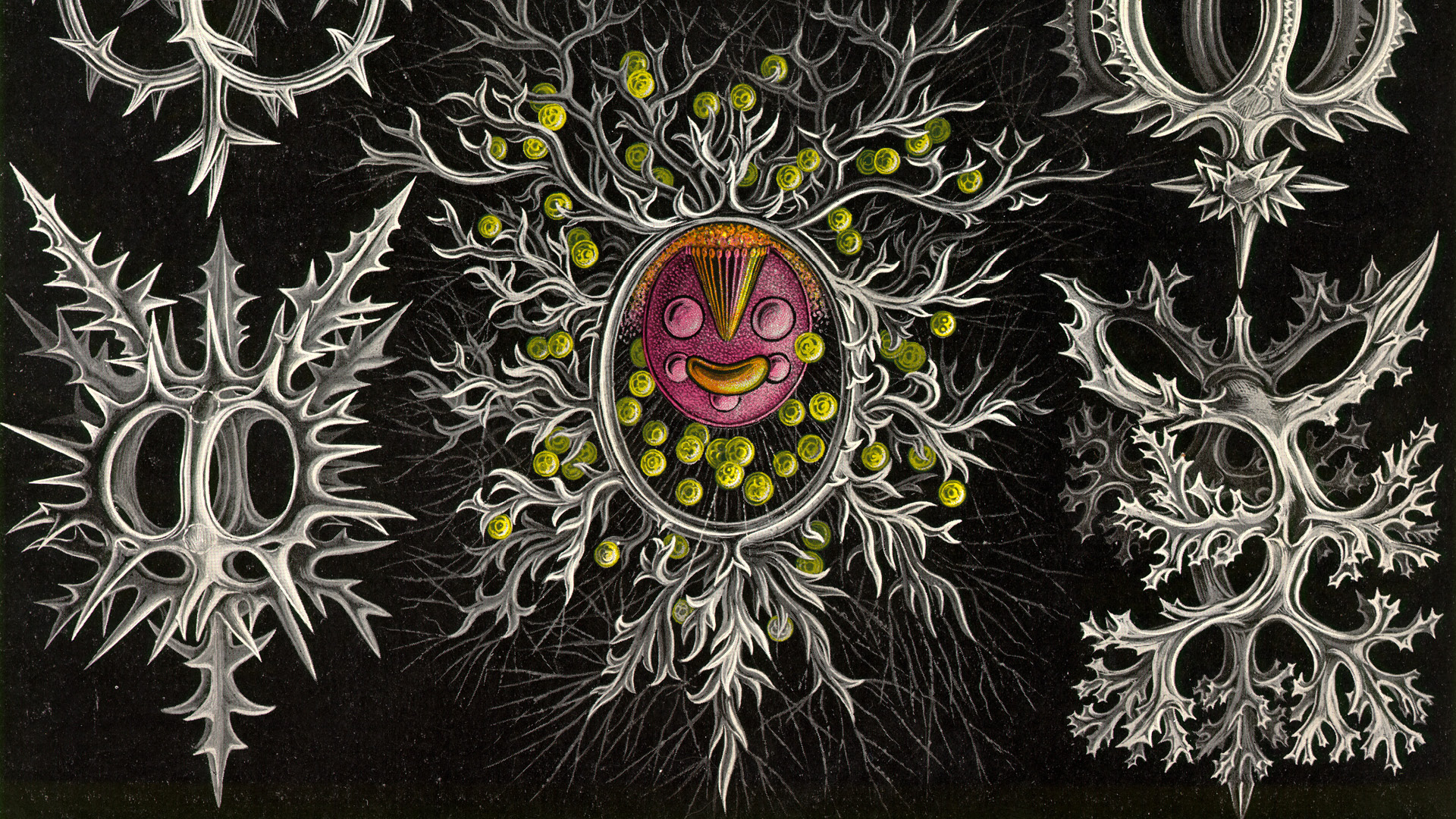
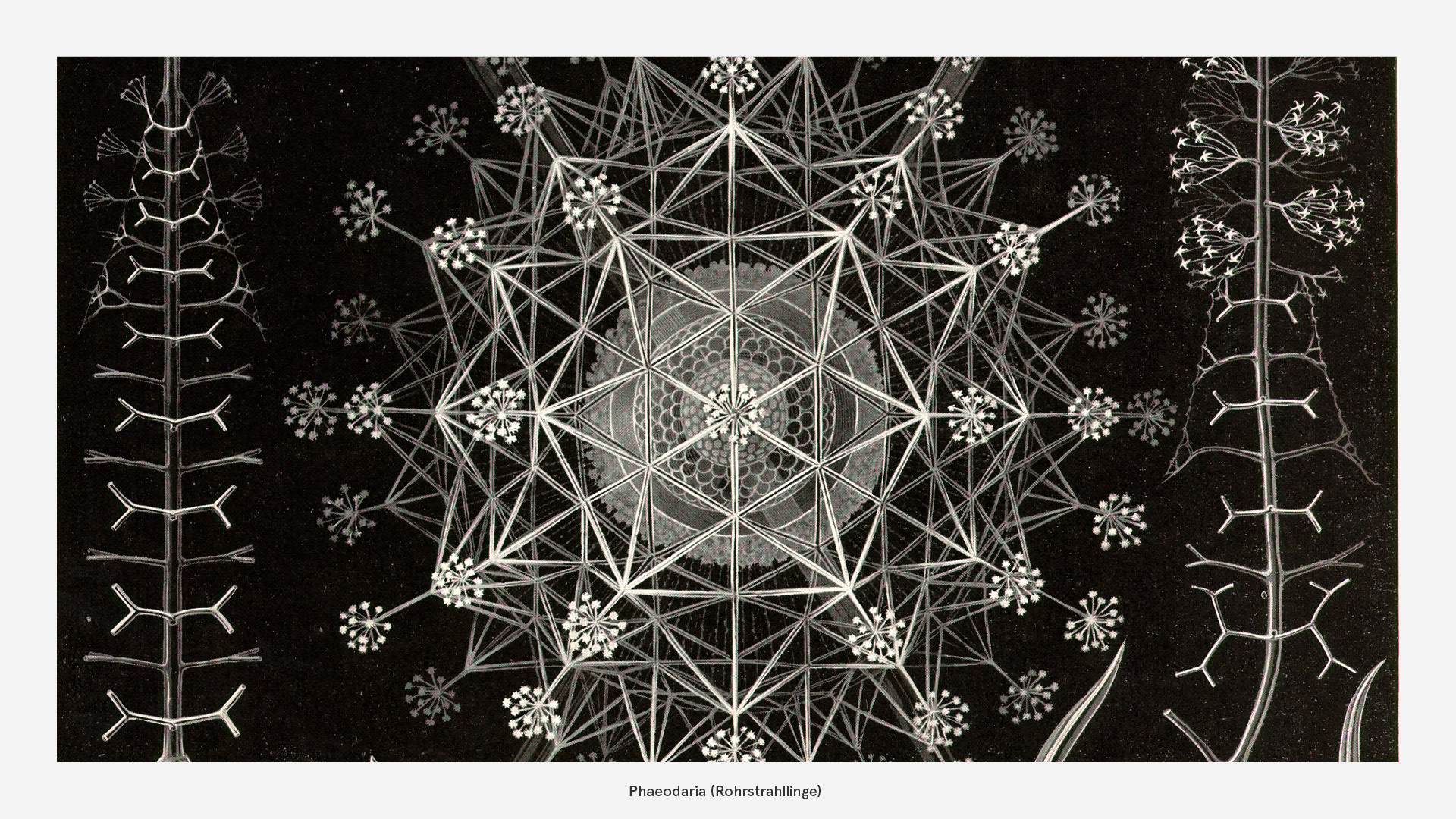
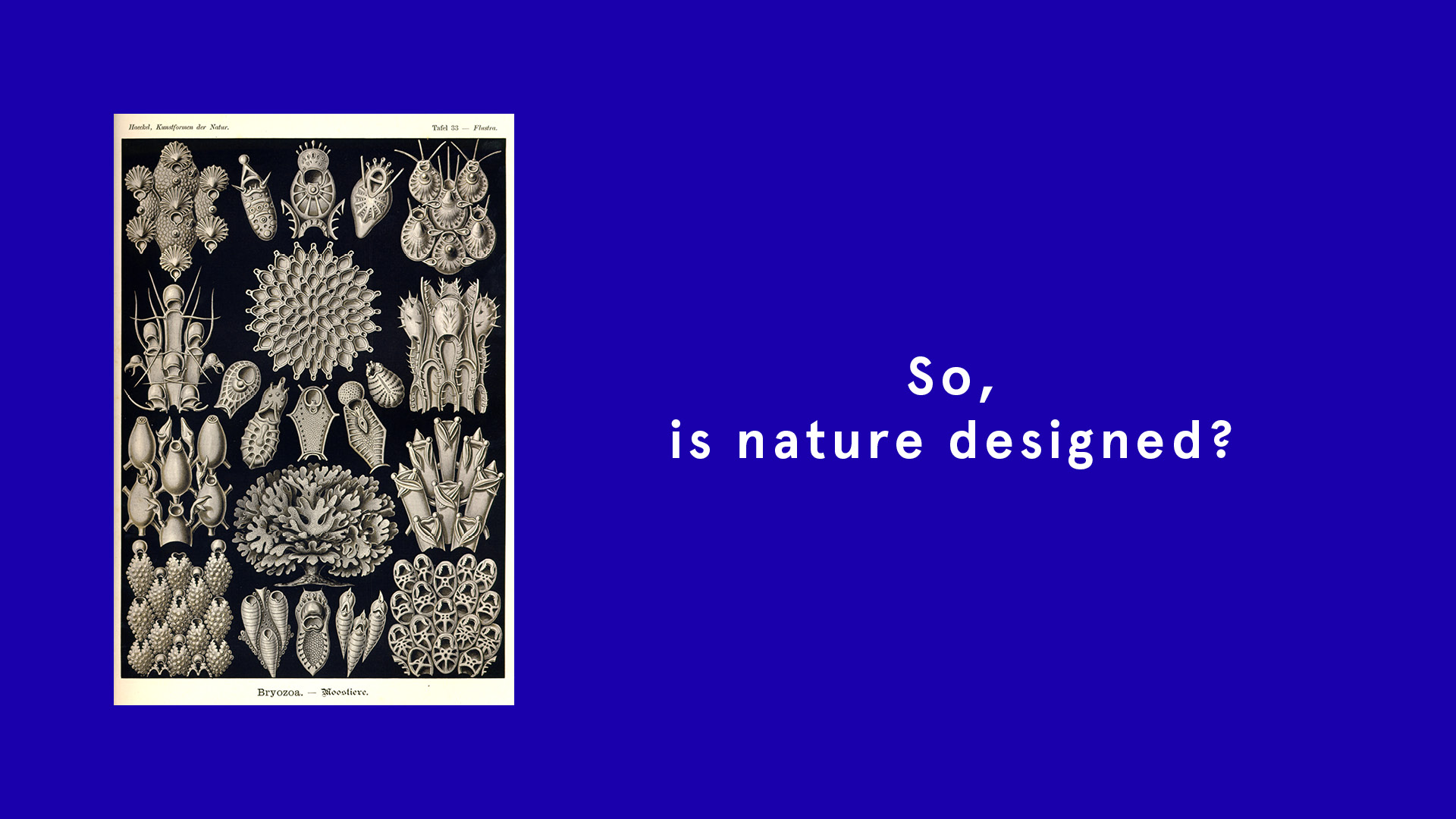
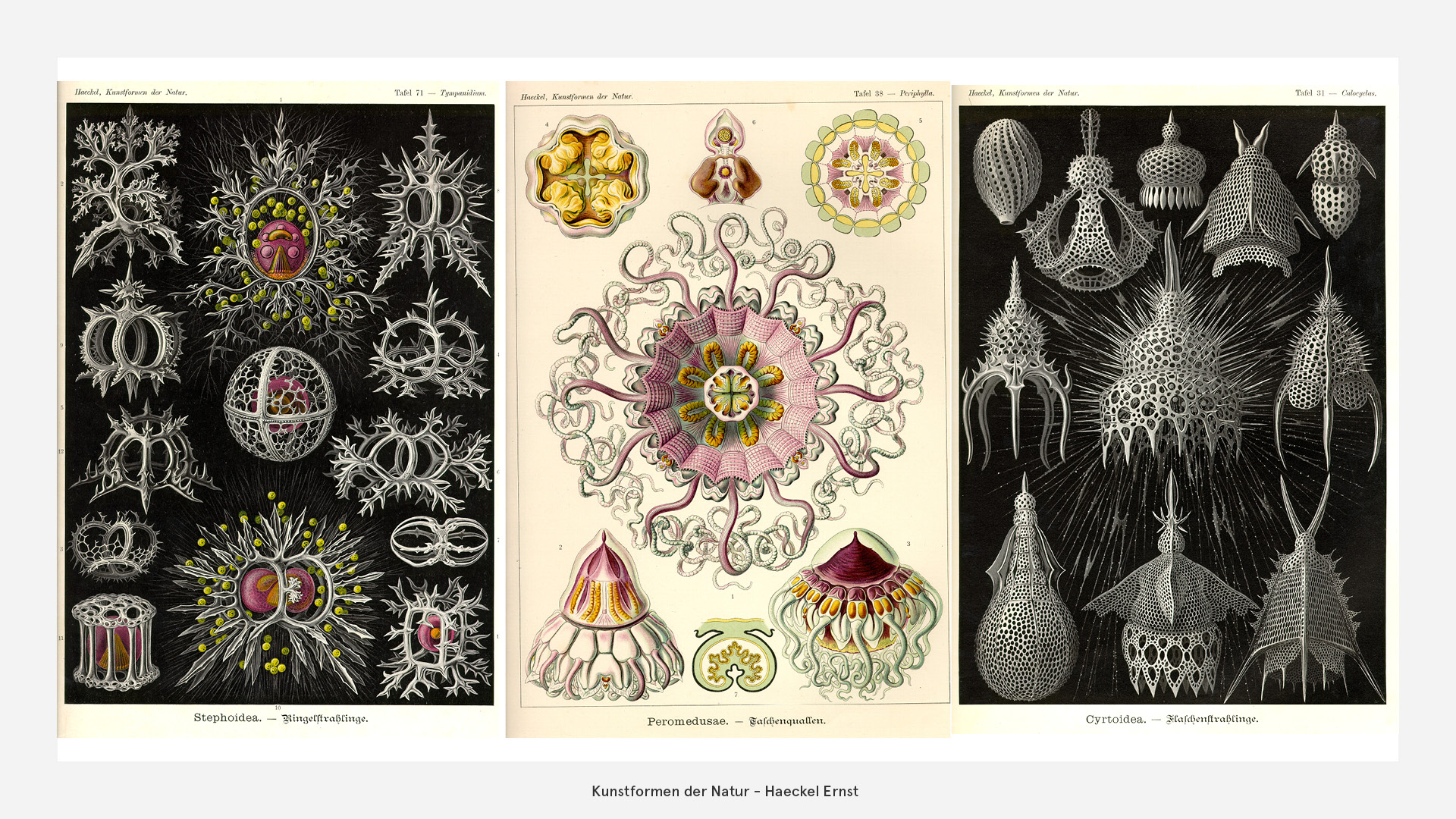 Ernst Haeckel - Art Forms of Nature (Kunstformen der Natur) - 1899-1904
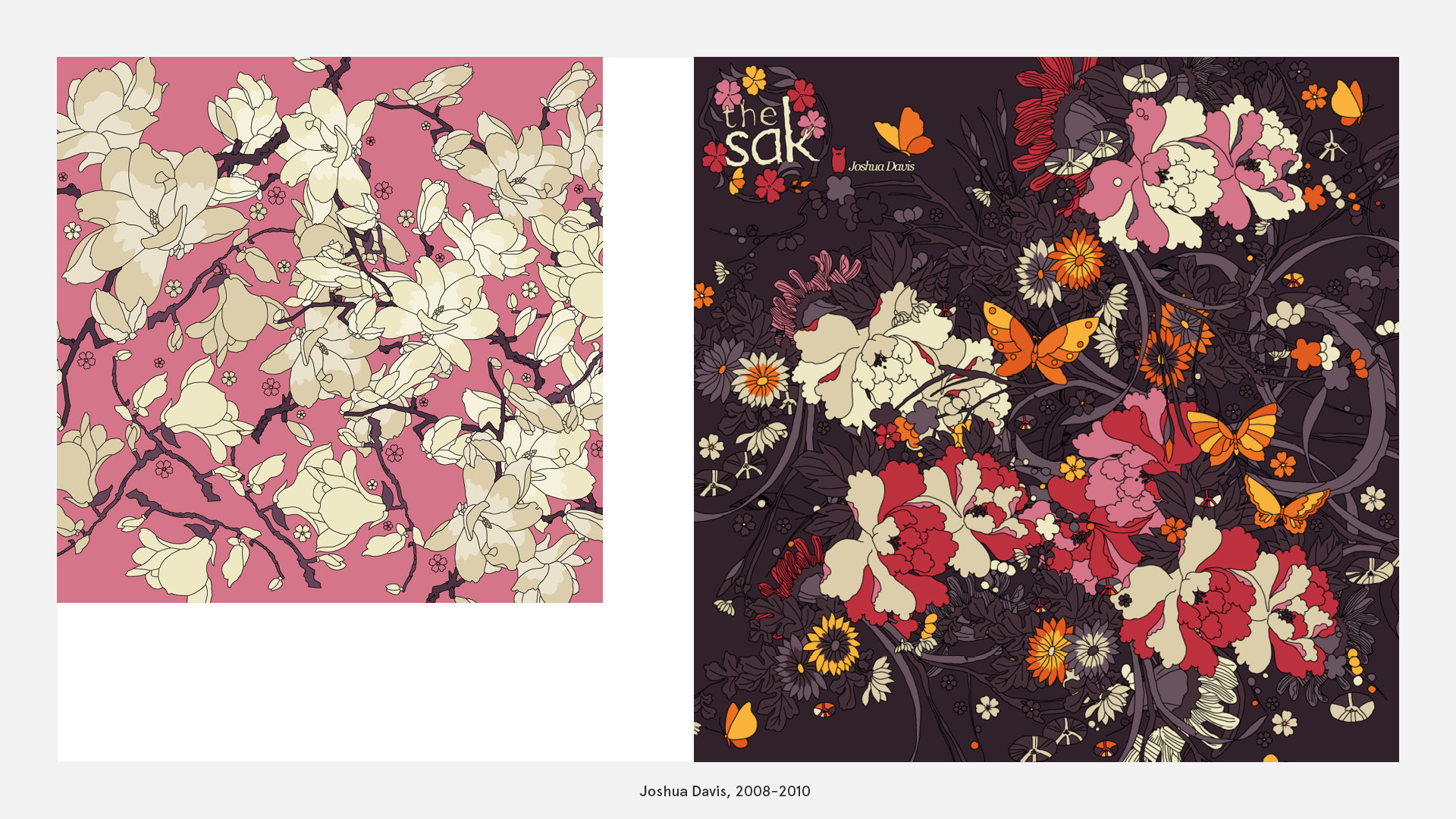
Haeckel's popular work discovers and beautifully documents all kinds of patterns in nature. It was very much guided by his preference for symmetry and an alleged world view of an organized nature and remains an important work that bridges science and art. He also intended his work to be an inspirational archive for modern artists. This motivation proofed successful especially for the Jugendstil (Art Nouveau) movement in Europe.
René Binet for instance created several architectural designs directly inspired by Haeckel.
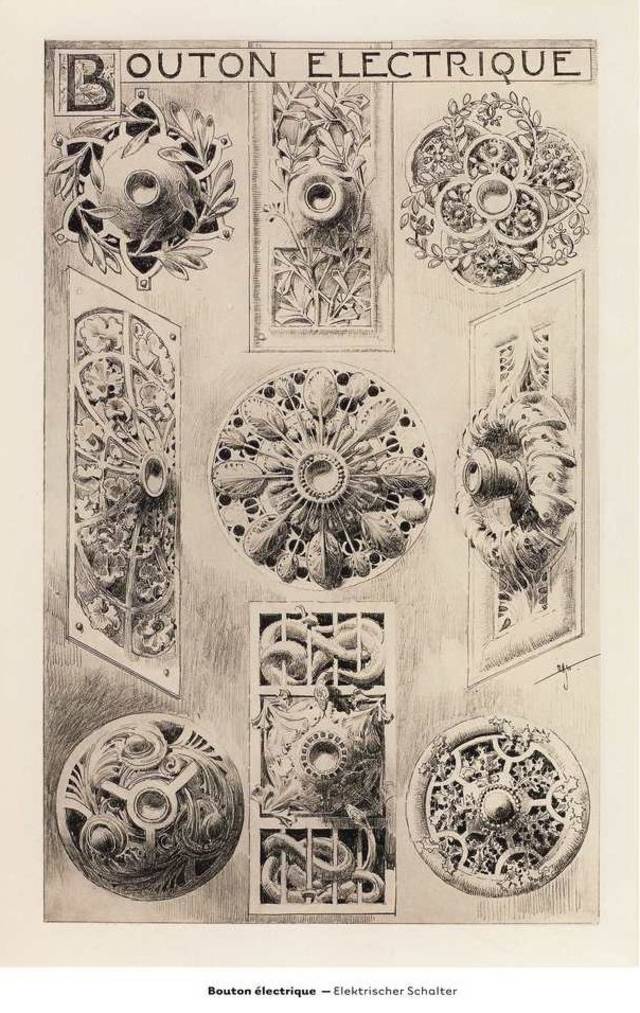 The study of nature as an aesthetic inspiration, a graphical abstraction and an enthusiasm for patterns and symmetry are important foundations of this movement.
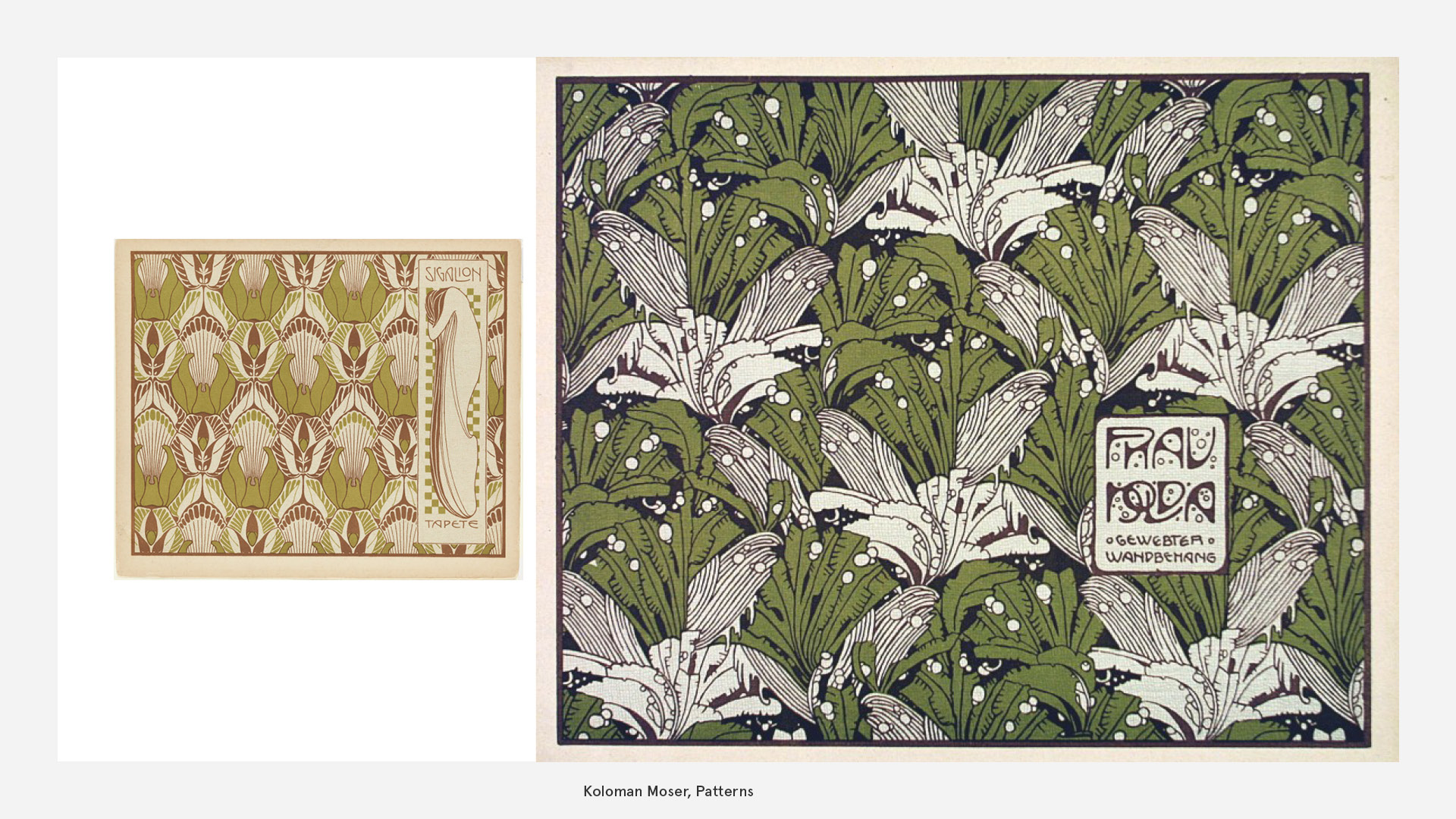
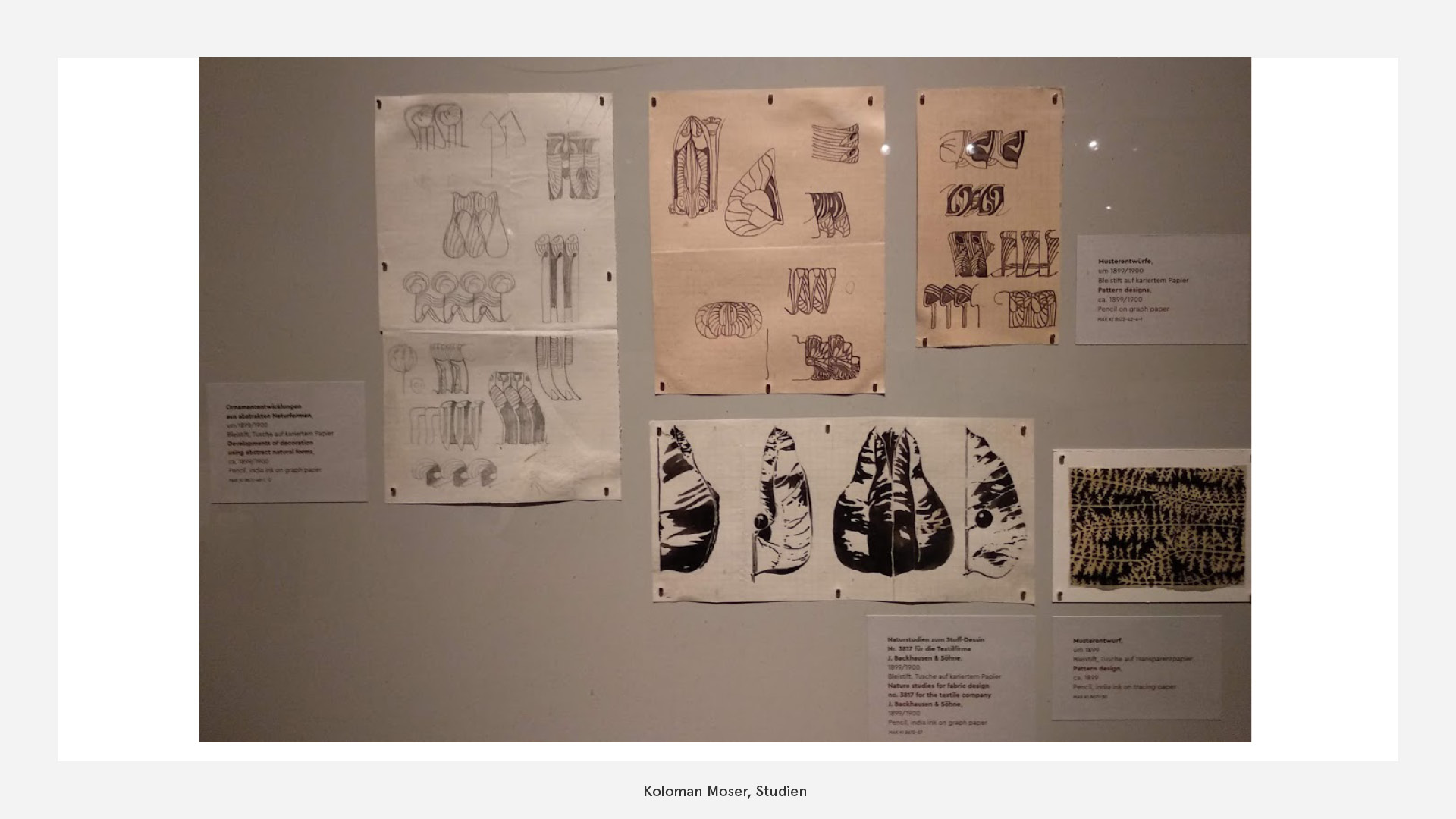
The work of the generative artist Joshua Davis could be seen as a translation of this style into a coding practice.
Symmetry and Geometry
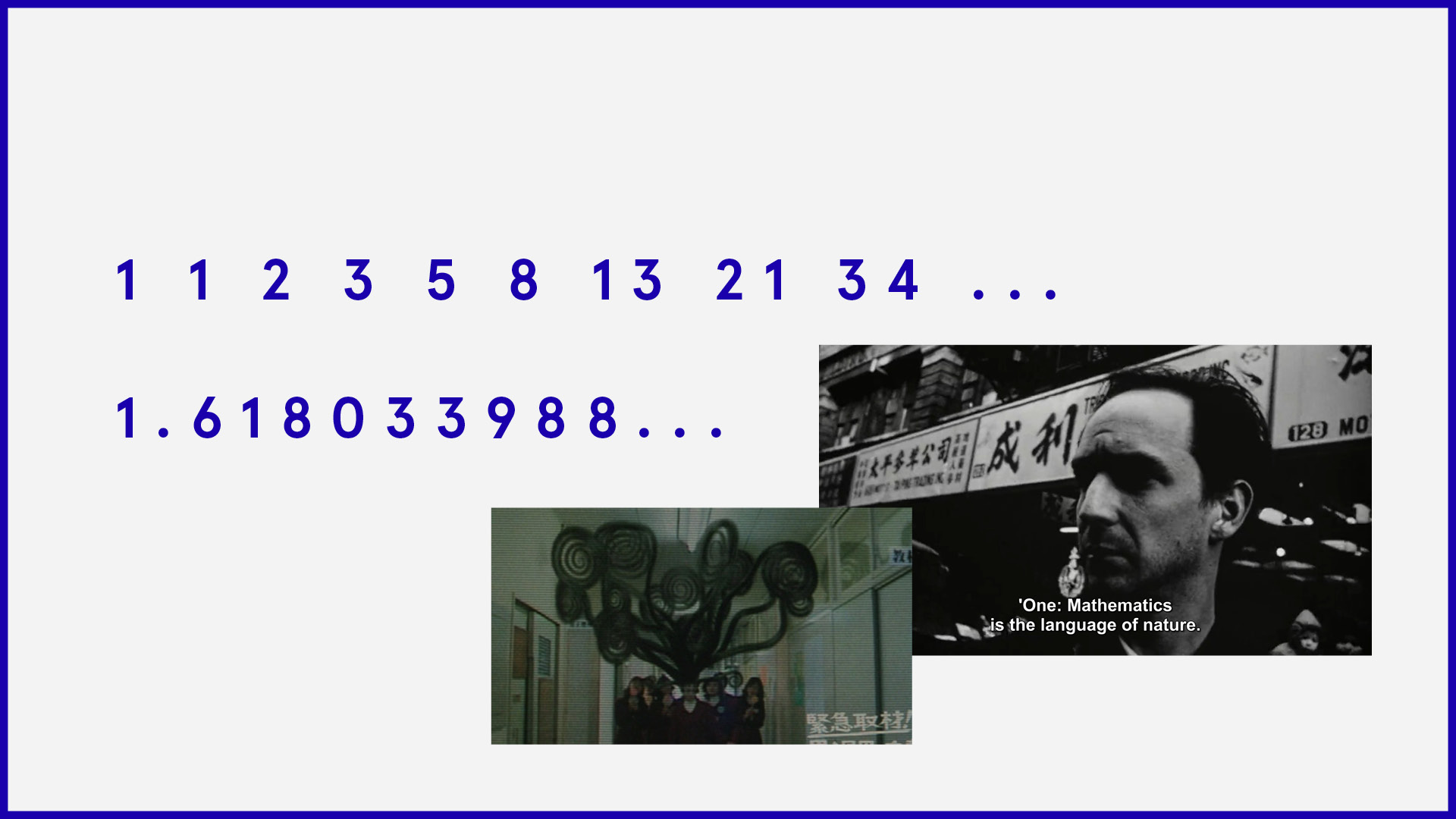
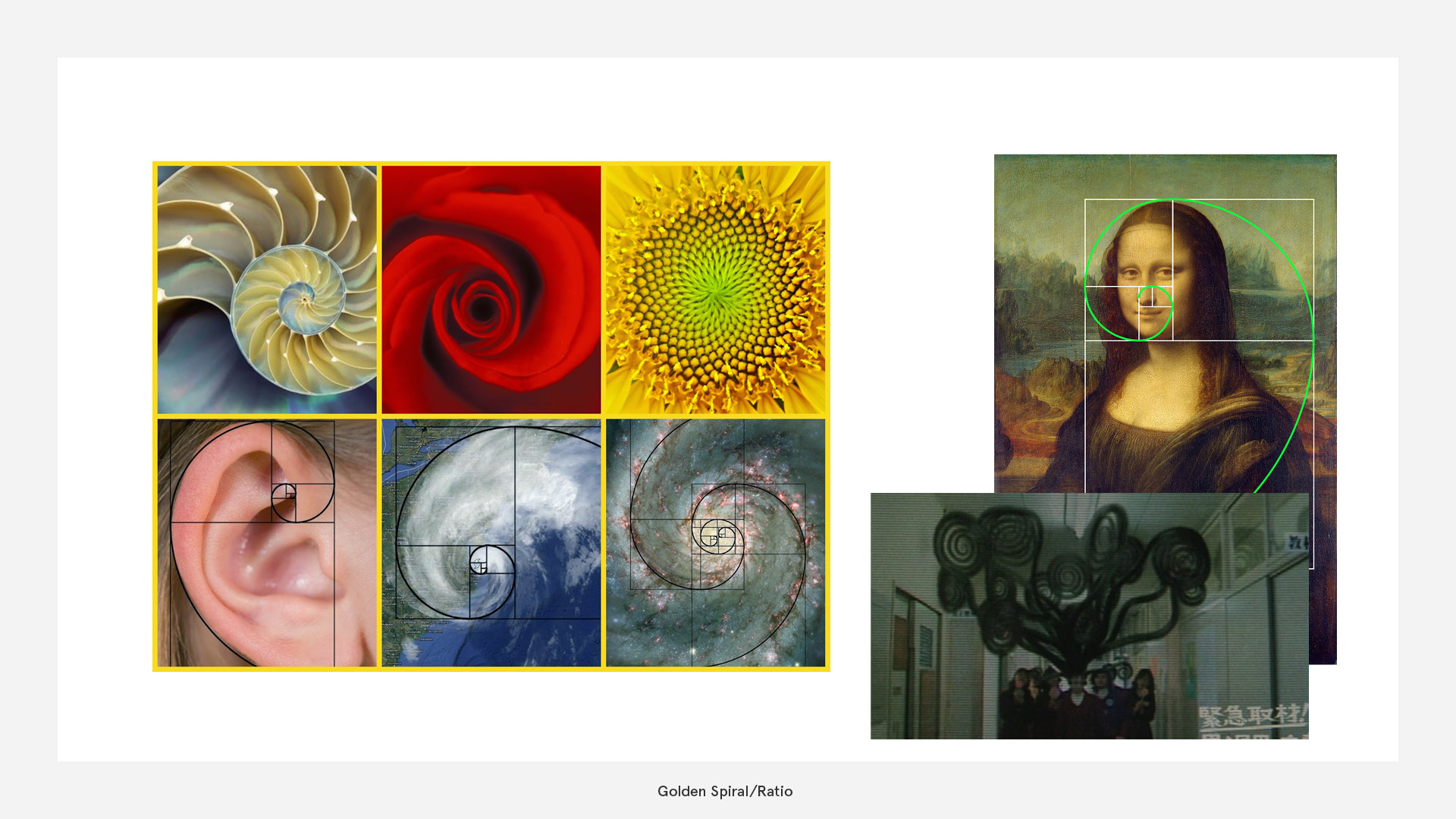
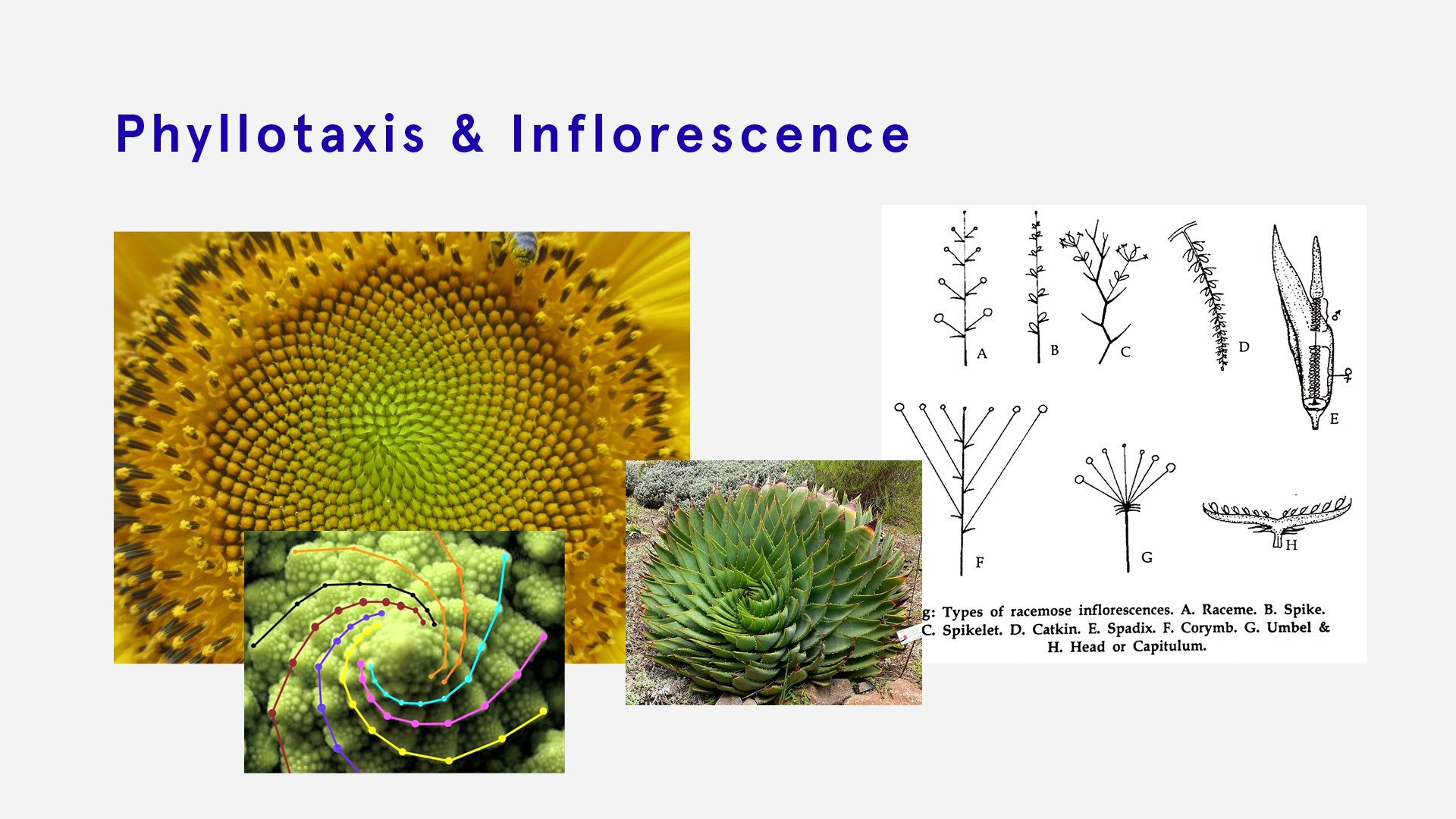
If we look at Haeckel's illustrations we get a sense of an inherent mathematical "design" of nature - many of which resemble structures that seem geometrically constructed. (Note: Haeckel was still an outspoken Darwinist)
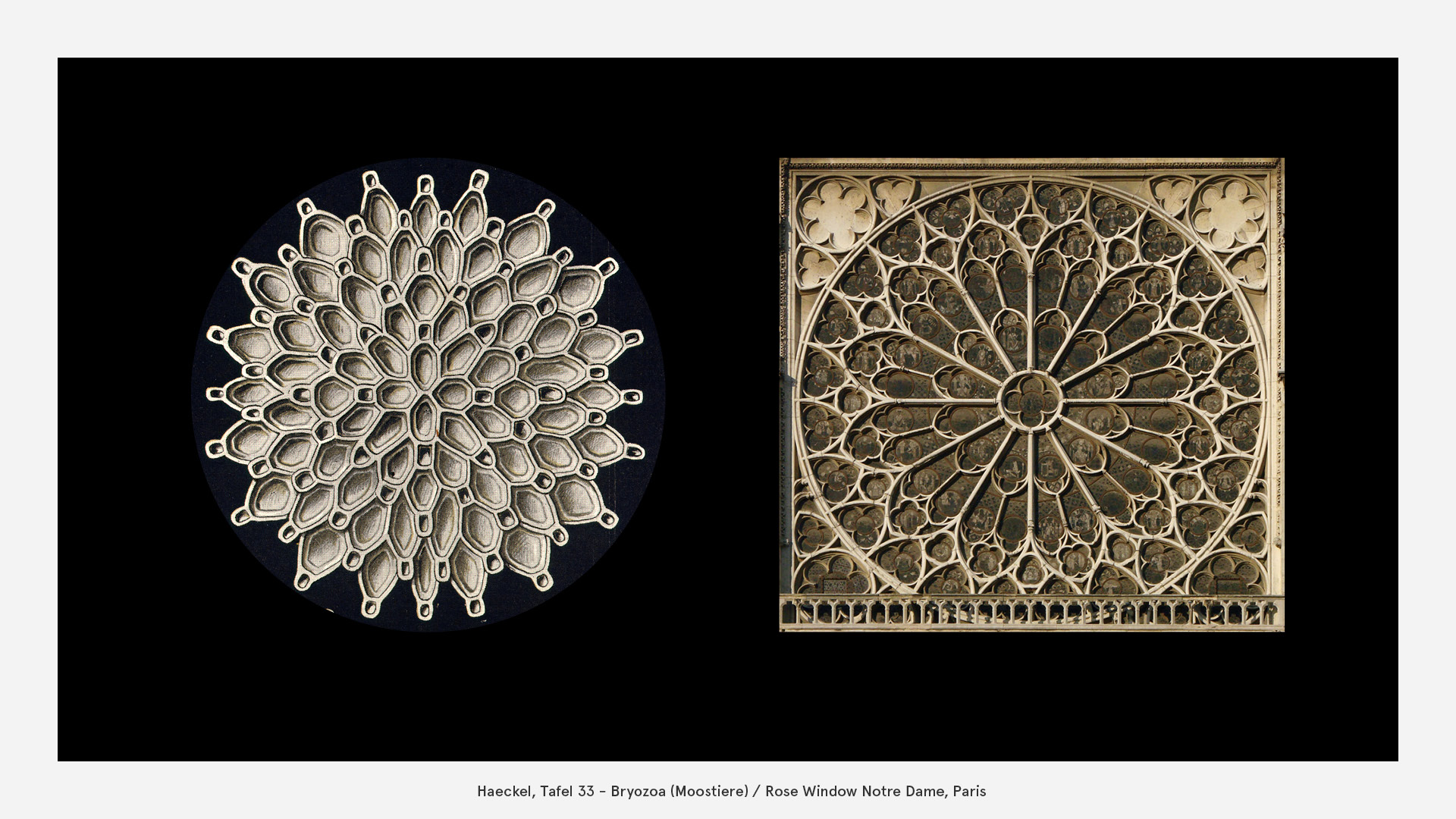
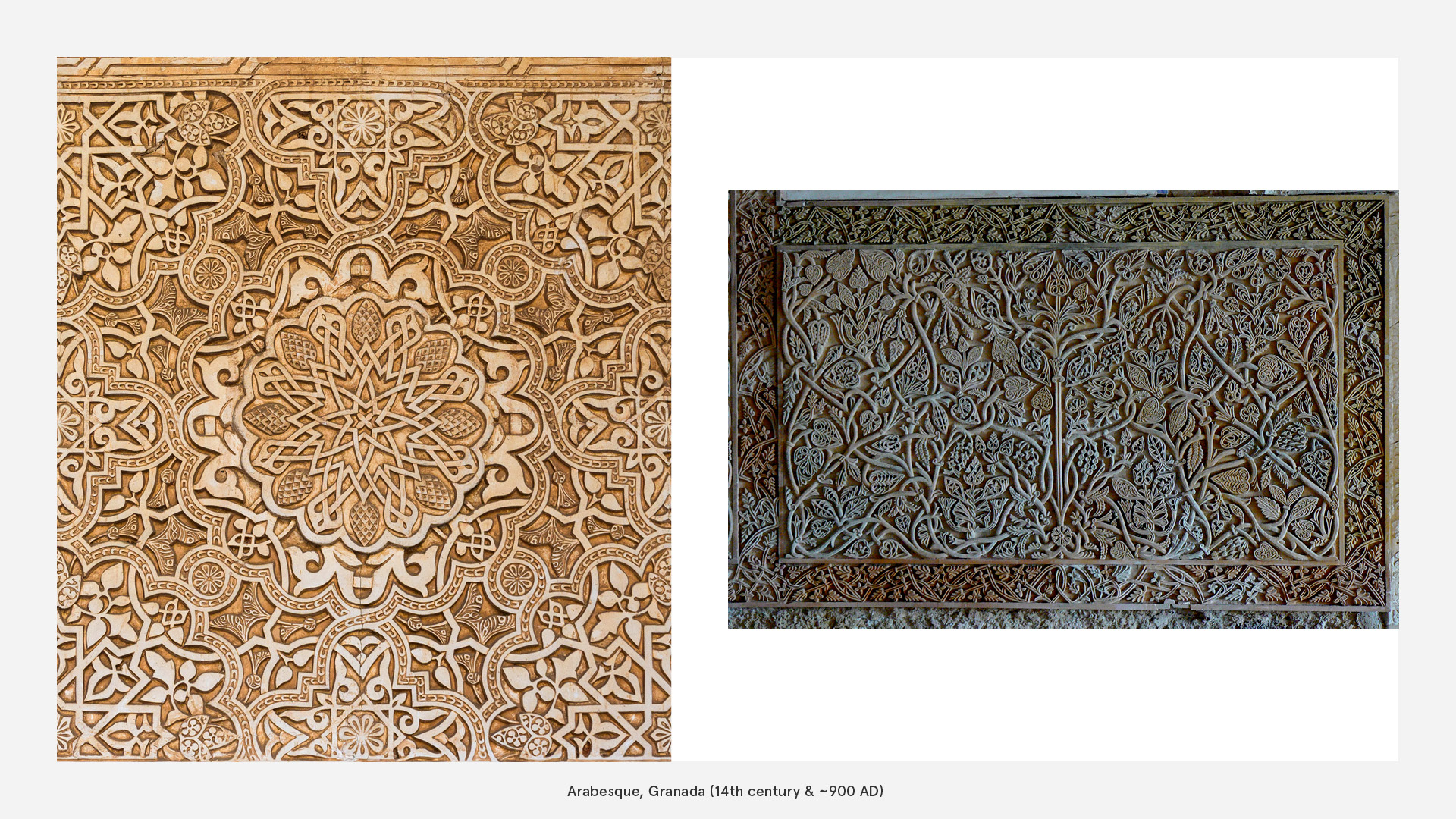
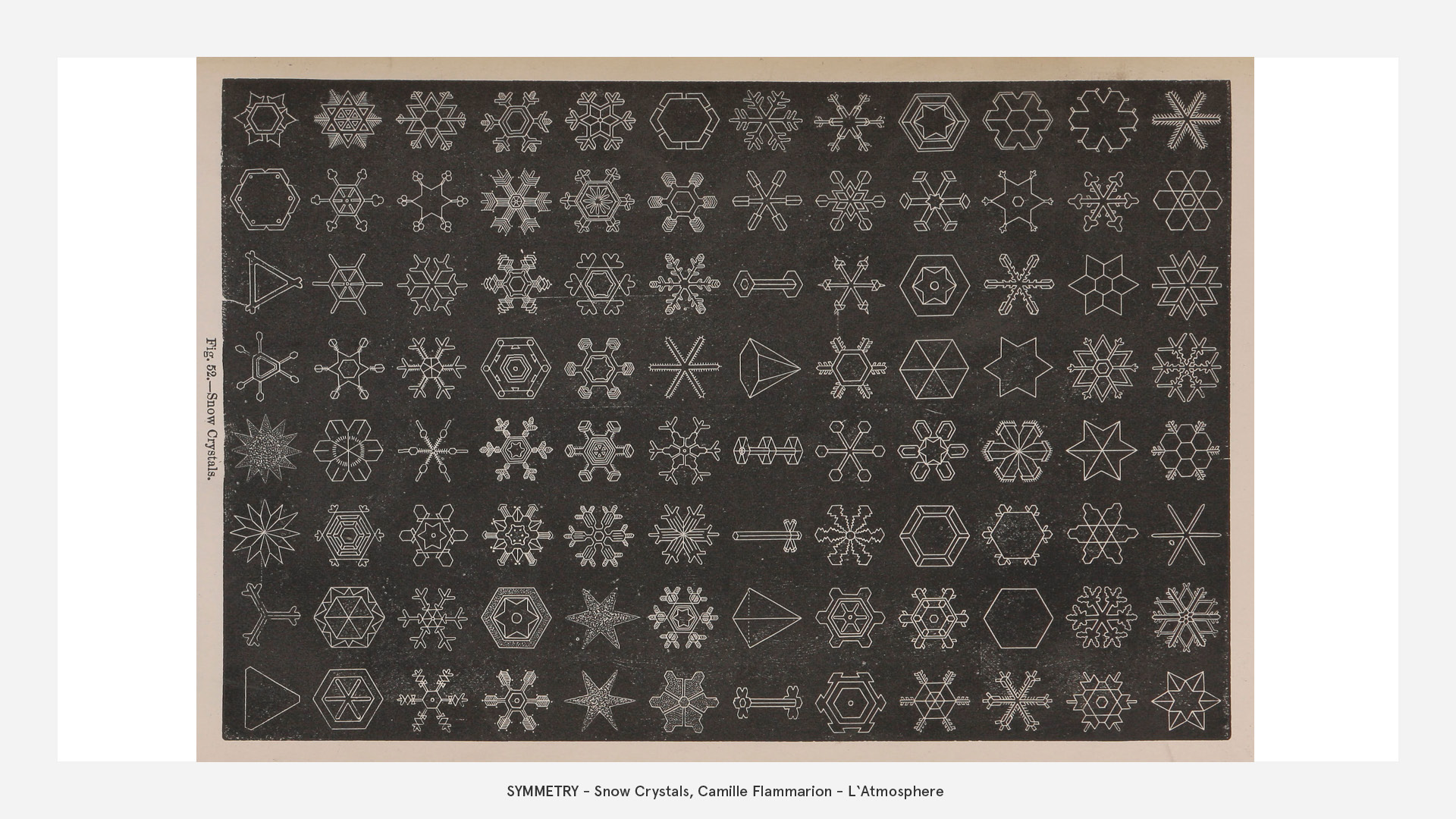
The discovery of patterns in nature and the long mystical dream to be able to decode and control the univers' underlying principles is of course as long as culture itself and thus has been an constant theme in the creation of art (science, religion) ever since. This was strongly supported by a religious world view and the belief that god created the universe according to a geometric masterplan. This view persiste among (some) scientist as late as Johannes Kepler (1571-1630) (Wikipedia) and continues to be a intruiging theme in pop culture and esoteric practices - see Sacred geometry.
Evolution
- mutation
- recombination
- natural selection
Genetic Algorithms, Evolutionary Art, Digital morphogenesis / Karl Sims, Evolving Virtual Creatures, 1994
Patterns
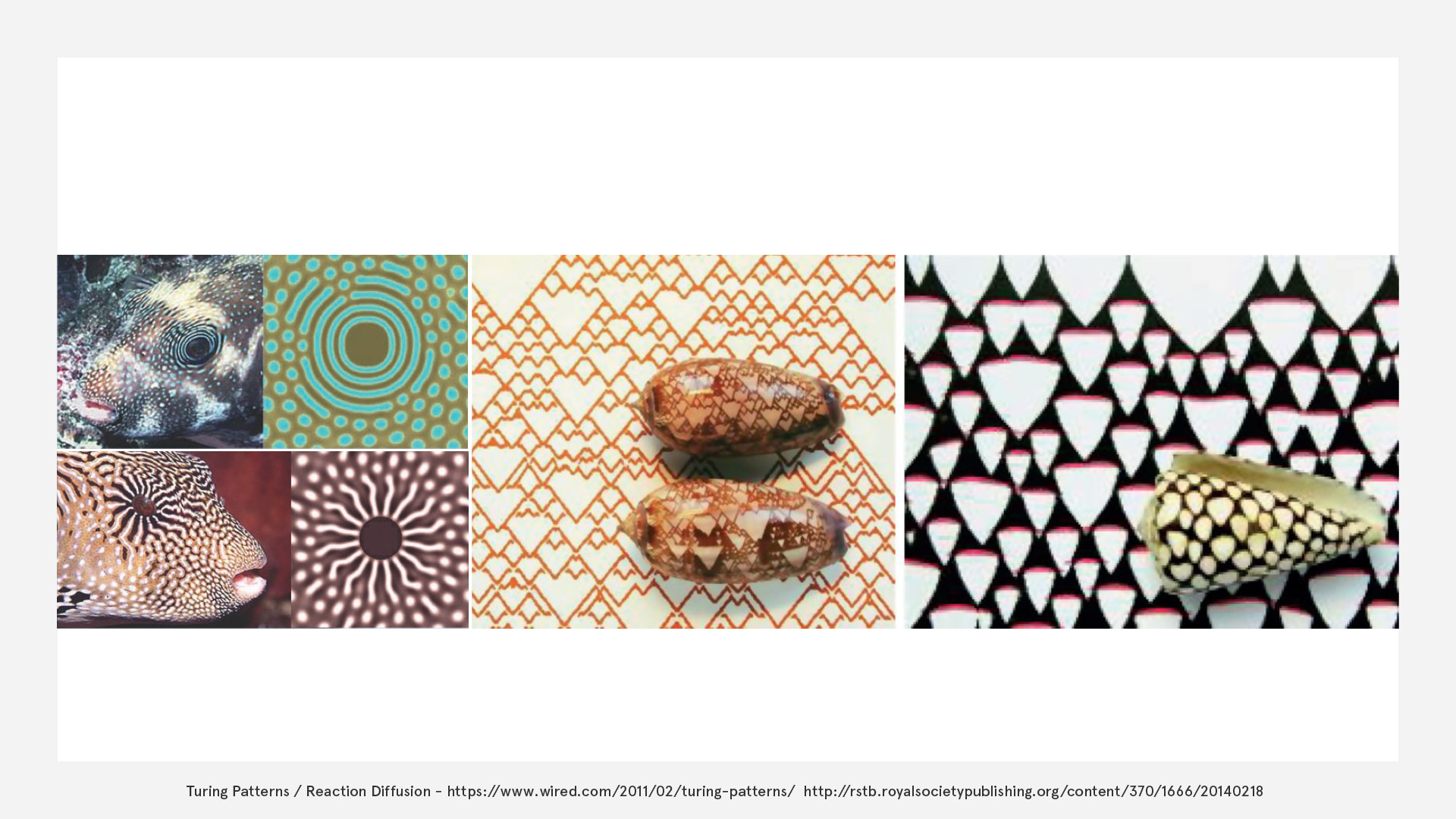
 Reaction diffusion systems are an approach to model the spatial dynamics of chemicals. Interestingly they exhibit a wide variety of self-organising patterns.
Alan Turing (yes, THE Alan Turing) introduced in his theory of morphogenesis (1952) a system with two (virtual) chemicals reacting and diffusing to explain pattern formation in animal skins, now called Turing Patterns
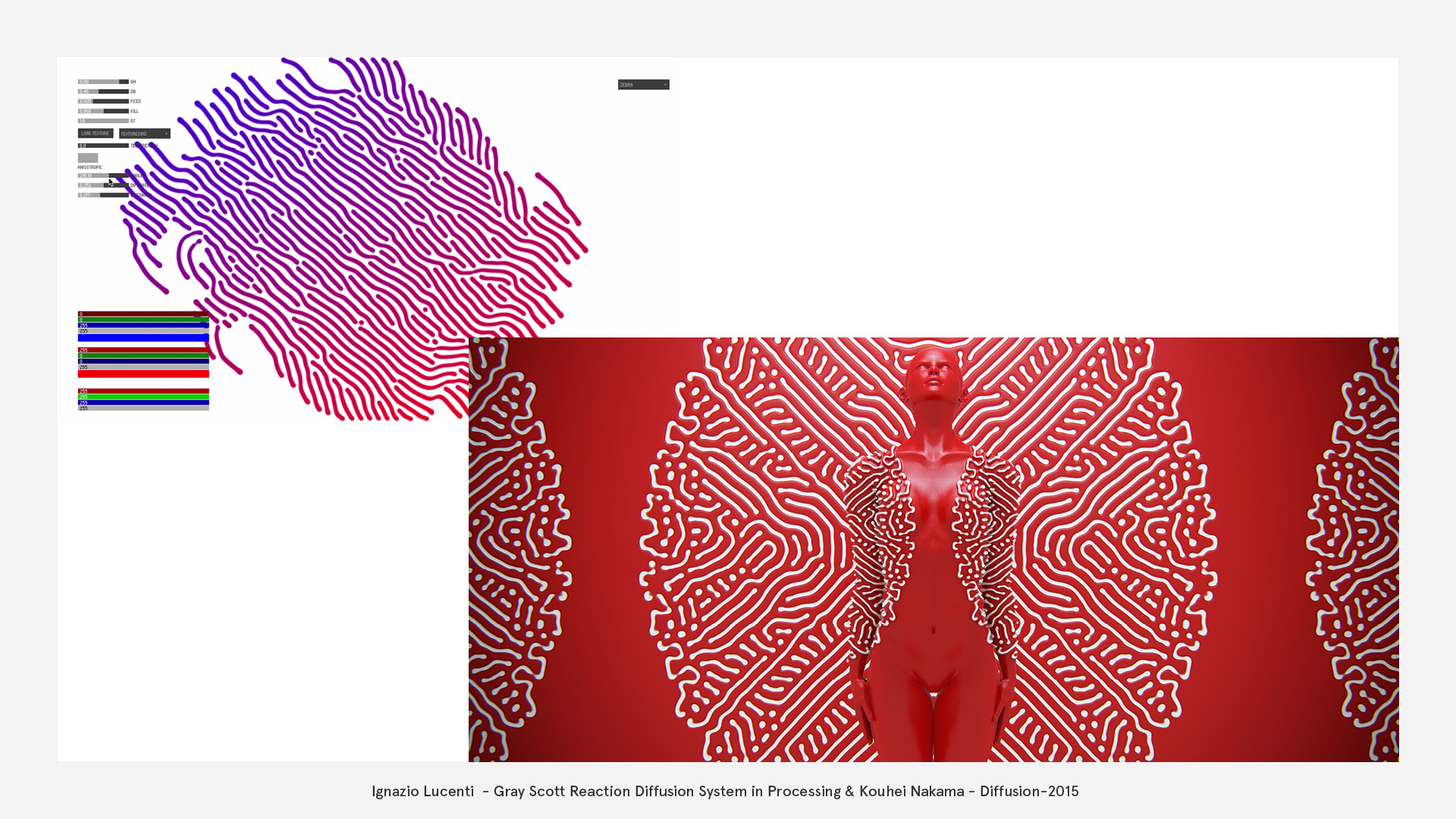
For further explanations see Dan Shiffman's tutorial (with code) Ignazio Lucenti - Gray Scott Reaction Diffusion System in Processing
Kouhei Nakama - Diffusion, 2015
Stigmergy
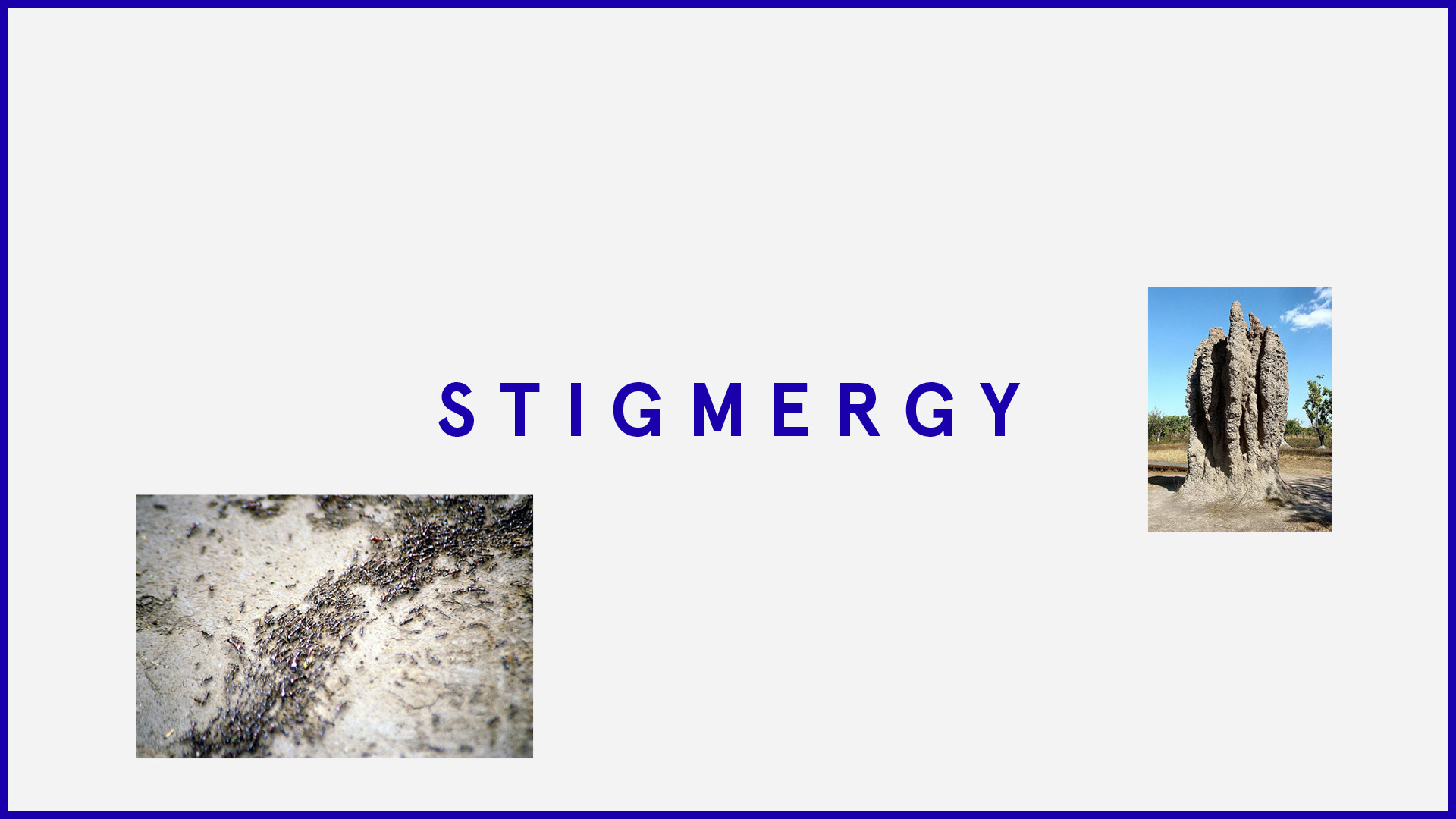 Stigmergy (from Greek stigma = sign and ergon = work/action) is a mechanism of indirect coordination in large multi-agent systems. It can be used to explain self-organisation in organisms and social insects.
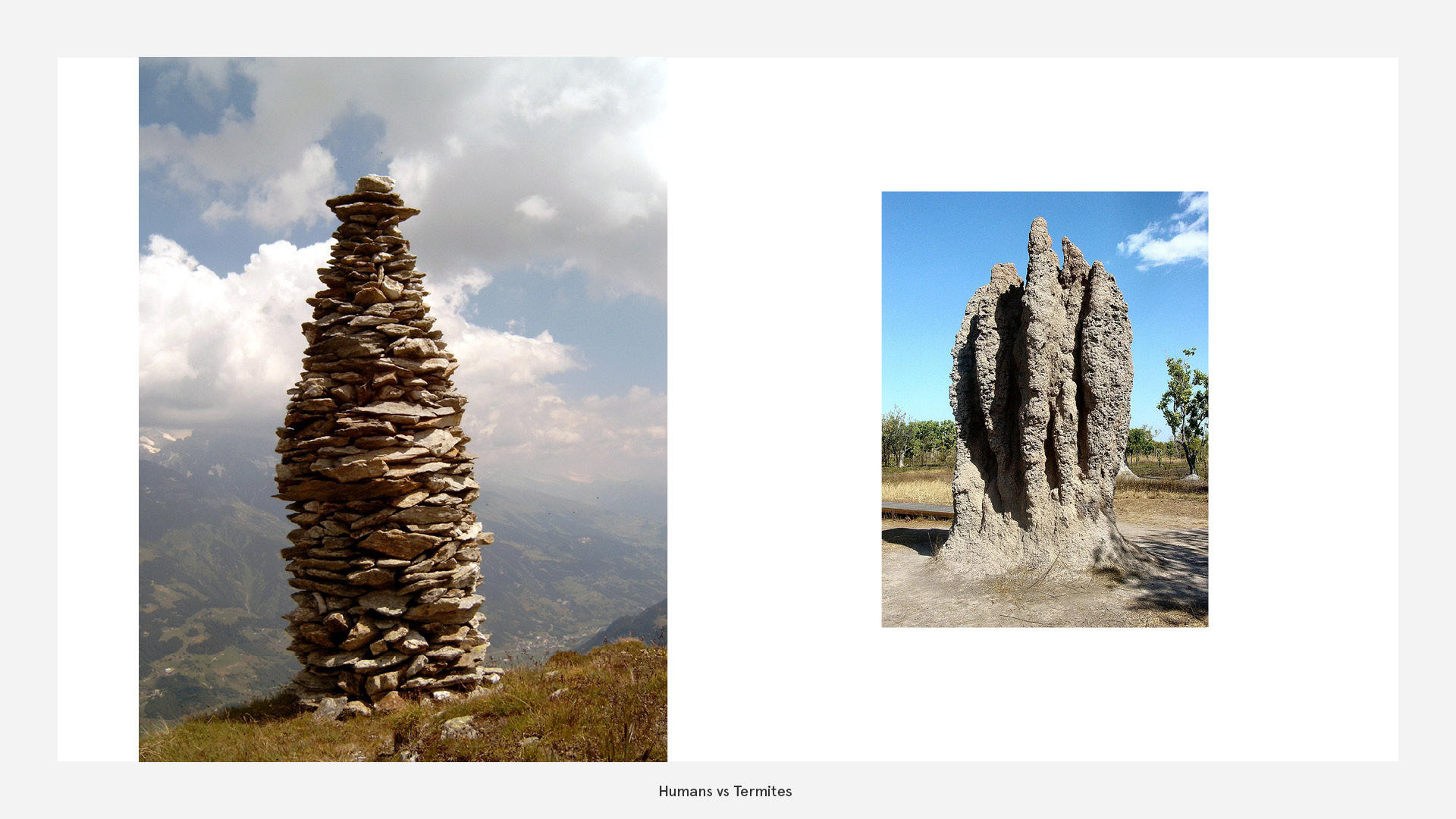
The term was invented by the biologist Pierre-Paul Grassé when studying termites, which leave signs (pheromon traces) in the environment that determine the actions of other termites that encounter it. With that simple mechanism they are able to effectively enable the construction of complex nests (termite hills).
- There is no direct communication between the agents
- There is no planning
-
There is no controlling of the process
- The agents don't need/have any memory
- The agents don't need to be intelligent
- The agents don't even need to know of each other
And yet the outcome is seemingly intelligent and very effective.
For example, ants exchange information by laying down pheromones (the trace) on their way back to the nest when they have found food. In that way, they collectively develop a complex network of trails, connecting the nest in an efficient way to various food sources. When ants come out of the nest searching for food, they are stimulated by the pheromone to follow the trail towards the food source. The network of trails functions as a shared external memory for the ant colony. (Wikipedia)
This can also go wrong. In a phenomenon called "ant mill" ants get rapped in their traces and start following and each other and thereby reinforcing their trails.
Cellular Automata
Conway's Game of Life